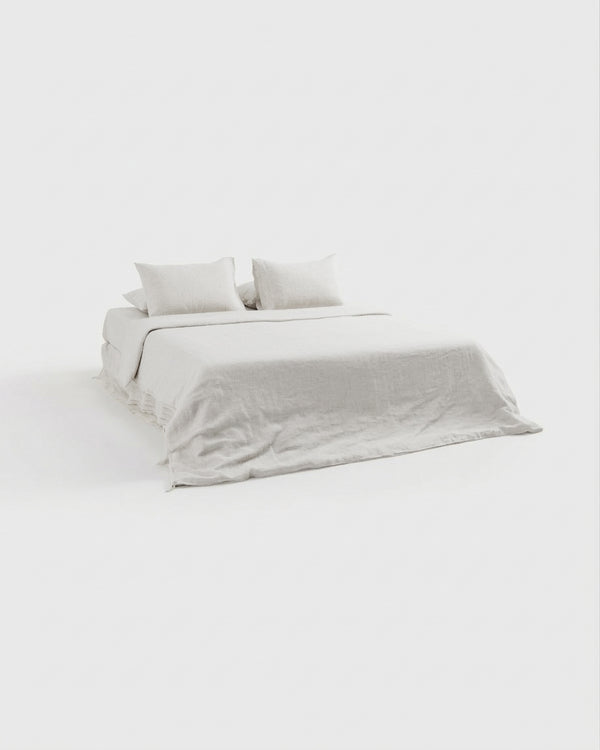
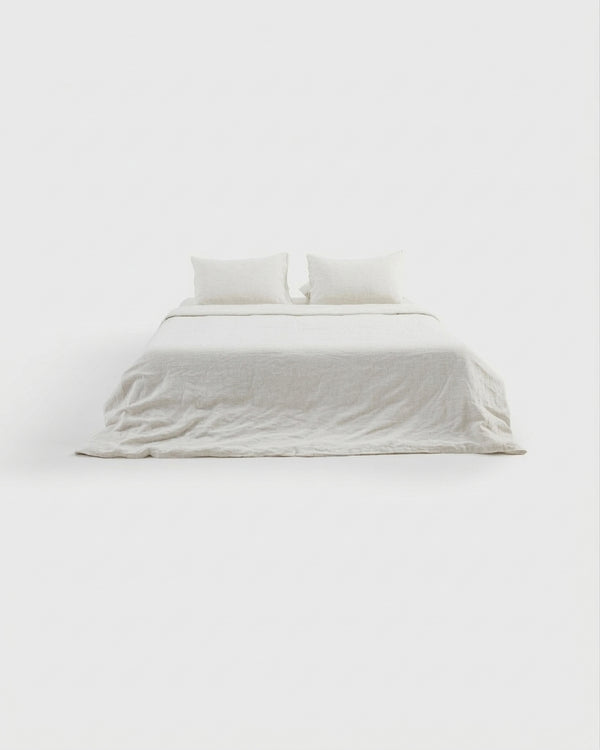
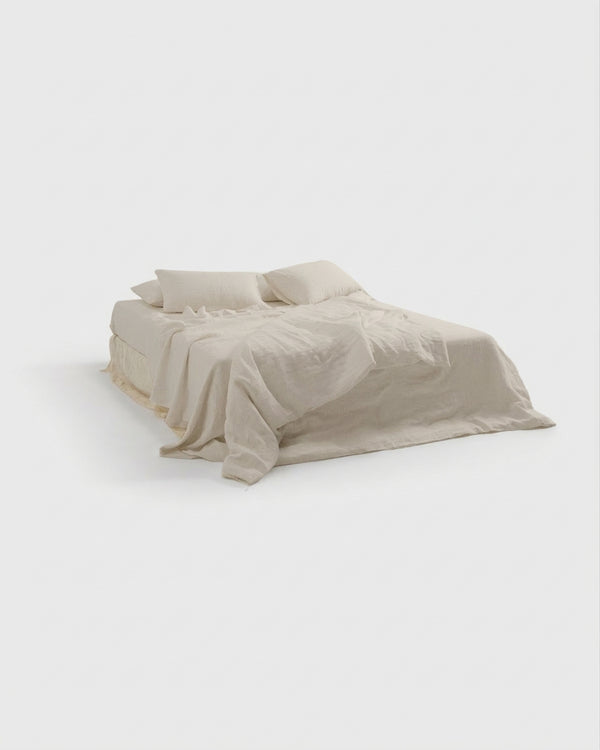
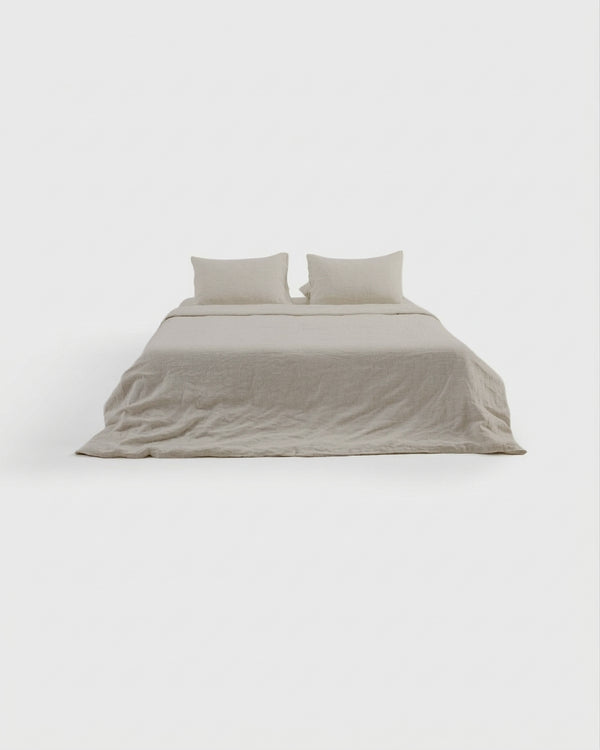
French Flax Linen Bedding Buyer's Guide: How to Choose Linen Sheets That Last
Linen has gone from a quiet insider’s secret to one of the most sought-after materials in the bedroom — and with that popularity has come a flood of options at wildly different prices and qualities. “Linen” on a label can mean genuine, long-fibre European flax woven with care, or it can mean something thin, loosely woven and destined to pill within a season.
This buyer’s guide is here to cut through that. We’ll walk through everything that actually determines whether a set of linen sheets will feel wonderful and last for years: where the flax comes from, fabric weight, weave and finish, certifications, sizing, colour and care.
Why French flax in the first place?
Origin matters more than almost any other single factor. The cool, damp, temperate growing belt of Northern France is widely regarded as producing the finest flax in the world, with long, strong, fine fibres that translate into smoother, more durable bedding. At The Katha, our flax is grown and milled in France; the cloth is woven and stonewashed at the mill, then cut and sewn into bedding in our Bali atelier. When you shop for linen anywhere, look for a clear statement of fibre origin — “French flax” or “European flax” is a meaningful quality signal.
Fabric weight (GSM): the number that shapes the feel
Linen weight is measured in grams per square metre (GSM). Lightweight linen (around 120–150 GSM) is airy but less durable; mid-to-heavyweight linen (around 170–190 GSM) is the sweet spot for bedding. Our linen is woven at 180 GSM — substantial enough to drape well and last through years of washing, while still breathing freely. Note that thread count is the right yardstick for cotton, not linen: GSM and fibre quality tell you far more about a linen sheet.
Weave and finish: why stonewashing matters
Most quality linen bedding is a plain weave; the bigger differentiator is the finish. Raw linen can feel stiff and papery — the source of the old “scratchy” myth. The fix is stonewashing, which breaks down the stiffness so the fabric arrives soft and supple. Our linen is stonewashed, so it feels good from the very first night, and it gives that relaxed, gently textured look of soft folds rather than rigid flatness.
Certifications: what’s actually against your skin
The certification worth looking for is OEKO-TEX Standard 100, which means the finished textile — fibre, thread and dyes — has been independently tested against substances known to be harmful and passed. All of The Katha’s linen bedding is certified to OEKO-TEX Standard 100. For sensitive skin, allergies, or simple peace of mind, it’s the single most reassuring thing to check on a label.
Choosing the right pieces and sizes
Linen bedding is sold both as complete sets and as individual pieces: duvet cover, fitted sheet, flat sheet, pillowcases (and bolstercases). Sets — duvet cover sets, sheet sets, or full bedding sets — typically offer better value, while individual items let you replace a single worn piece. On sizing, measure your mattress depth, not just length and width: a fitted sheet needs deep enough corners to grip a thick or pillow-top mattress. If you’re between sizes or have a deep mattress, size up.
Colour: building a palette you’ll love for years
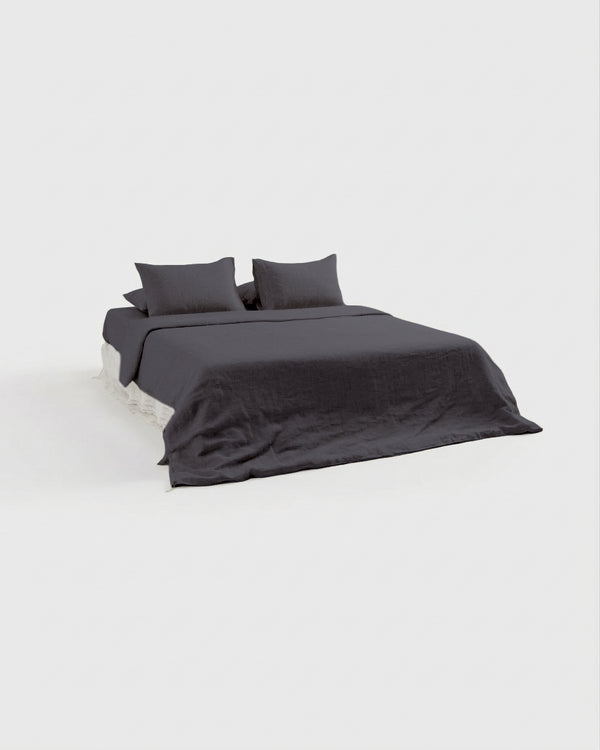
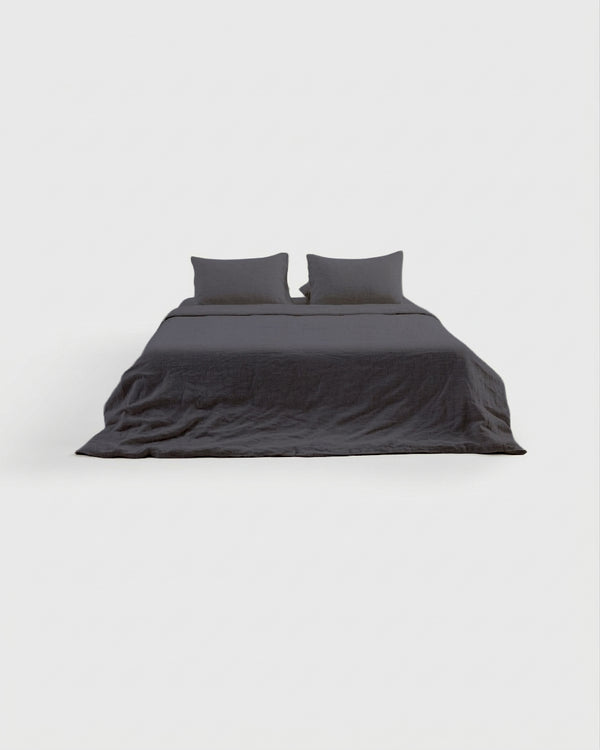
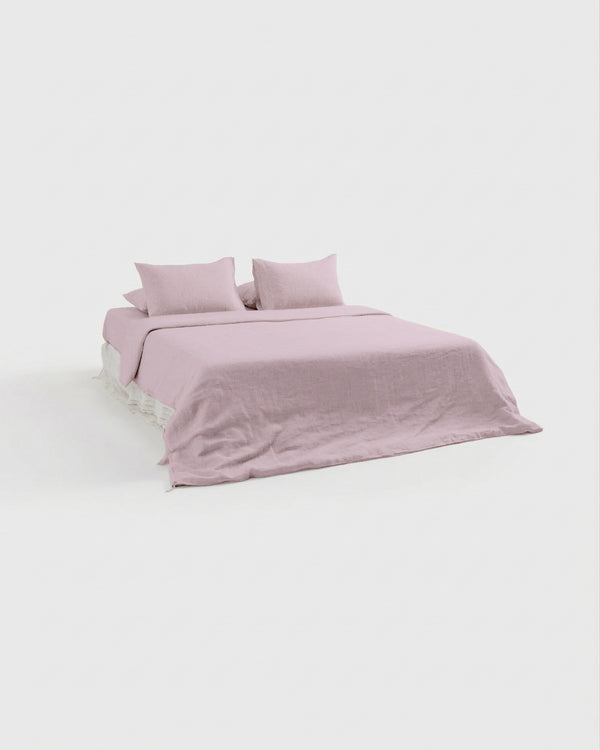
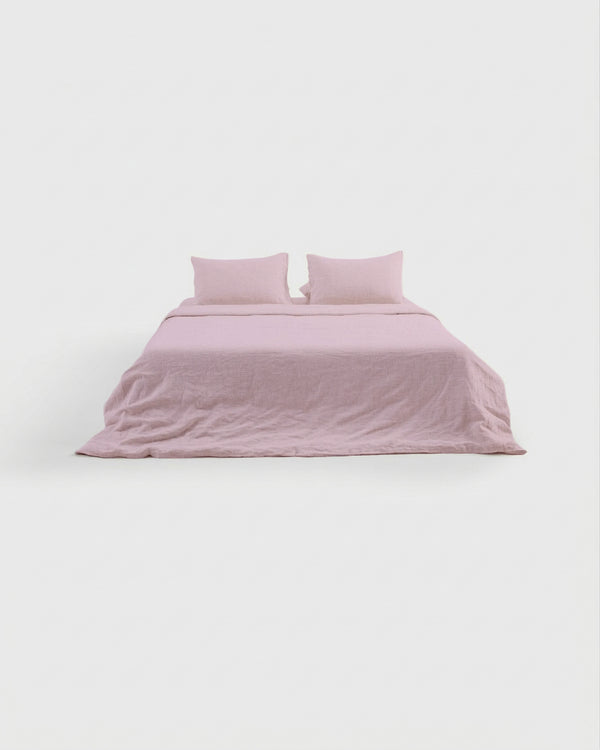
Linen takes colour beautifully — soft and slightly heathered. Neutrals (Rice, Flax, Fawn, Fog) are the most flexible; earthy tones (Sage, Cedar Green, Cinnamon, Walnut) bring warmth; deeper shades (Charcoal, Indigo, Denim) add depth; and stripes add gentle character. Mixing two tones — a neutral sheet with a deeper duvet, or a striped duvet with solid pillowcases — makes a bed look considered.
Caring for linen so it lasts (and gets better)
Linen is low-maintenance and improves with use. Machine wash cold on a gentle cycle with like colours; avoid harsh bleach and heavy fabric softeners; tumble dry low and remove while slightly damp, or line dry; and skip the iron unless you want a pressed look. Follow that and linen becomes softer and more supple every time — bedding you can enjoy for many years.
A quick pre-purchase checklist
Before you choose any linen bedding, ask: (1) Where is the flax from? (2) What’s the GSM — is it around 170–190? (3) Is it stonewashed or otherwise softened? (4) Is it OEKO-TEX Standard 100 certified? (5) Have you measured your mattress, especially the depth? If a product answers all five clearly, you’re looking at linen worth having.
The bottom line
Great linen bedding is about the combination: genuine French flax, a substantial weight, a proper softening finish, honest certification, and the right sizes and colours. Explore The Katha’s French flax linen collections, or order a swatch set first to feel the 180 GSM stonewashed finish in your own hands before choosing your colours.