Is Linen Good for Sensitive Skin? What to Know Before You Choose
If your skin flares up, itches, or overheats at night, your bedding is one of the first things worth examining. You spend roughly a third of your life pressed against your sheets, so the fibre you choose genuinely matters — especially if you live with eczema, allergies, or simply skin that reacts to the wrong fabric.
The short answer: yes, linen is one of the best fabrics you can put next to sensitive skin. Here's why, along with what to look for so you choose a set that actually helps.
Why linen suits sensitive skin
Linen's benefits for reactive skin come down to a handful of properties baked into the flax fibre itself.
It breathes exceptionally well. Linen is one of the most breathable natural fibres available. Its hollow fibres and naturally open weave let air circulate and heat escape, so you don't build up the warm, damp micro-climate that so often triggers itching, prickly heat, and irritation.
It manages moisture. Linen absorbs moisture and releases it quickly, wicking sweat away and drying fast. Dry skin is calmer skin; sheets that stay damp overnight are a recipe for irritation.
It's smooth against skin despite the texture. Linen has visible texture, but the fibre lies flat and doesn't shed the tiny fluffy fibres some fabrics do — less lint means less to tickle or irritate delicate skin.
It resists allergens. Because linen breathes and dries quickly, it's a less hospitable environment for the damp conditions dust mites and mildew love. It won't make bedding allergy-proof on its own, but its dry, airy nature is friendlier to allergy-prone sleepers.
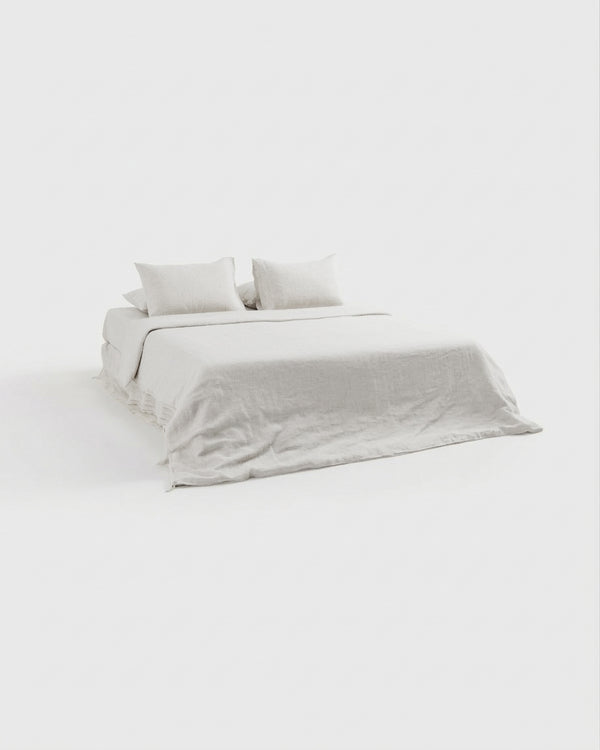
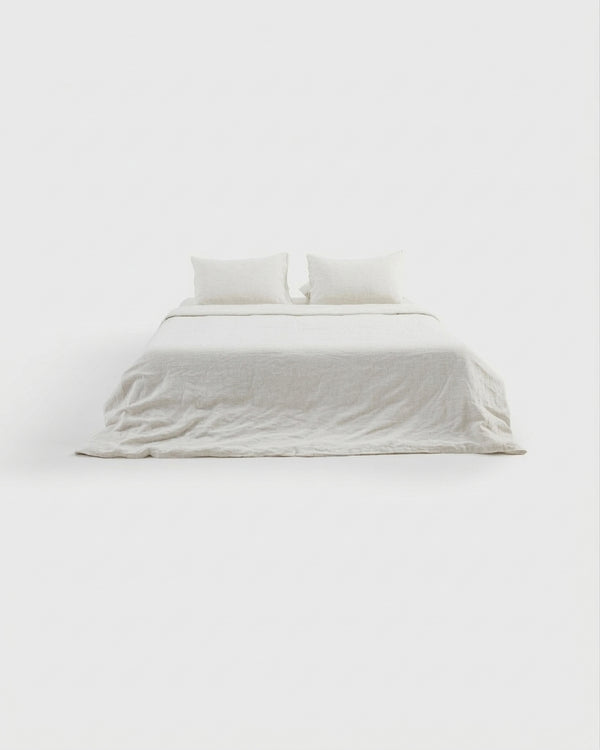
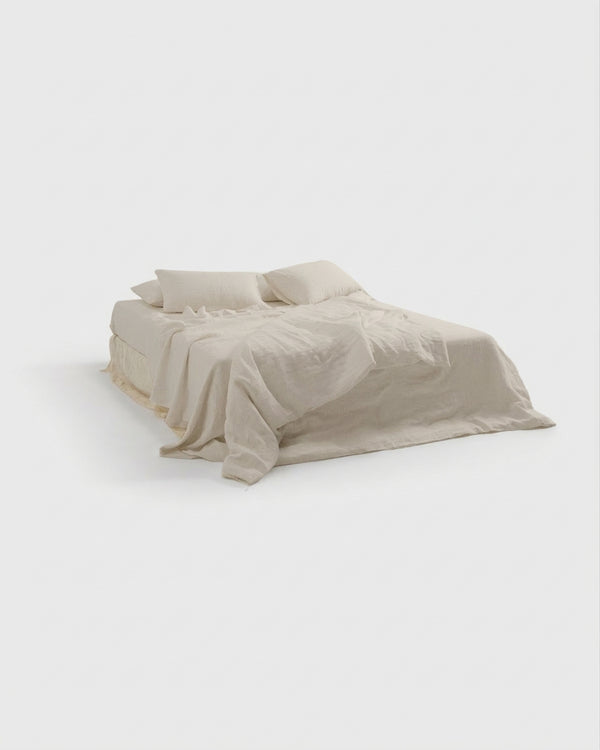
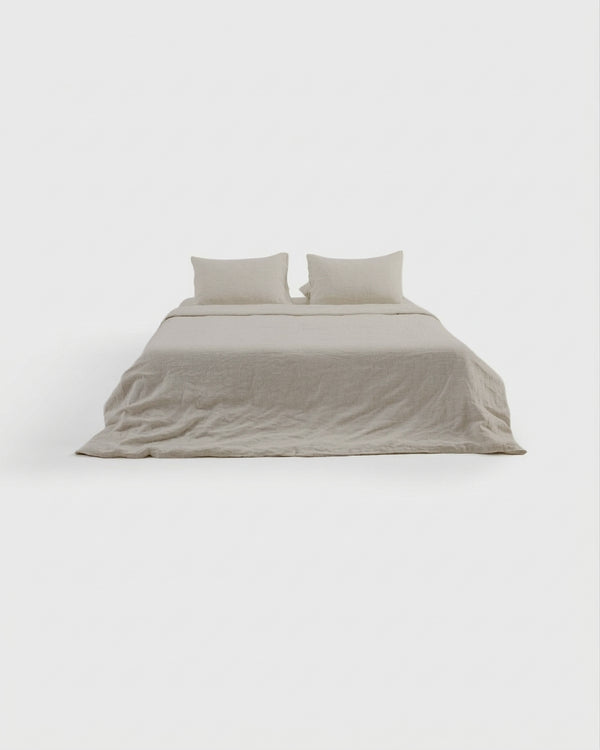
It's naturally gentle and gets gentler. Our linen is stonewashed, so it arrives soft rather than stiff — and linen softens with every wash, becoming kinder to your skin over time.
The certification that matters: OEKO-TEX Standard 100
For sensitive skin, what isn't in your sheets is as important as what is. All of The Katha's linen bedding is certified to OEKO-TEX Standard 100, meaning every component — fabric, thread, even buttons — has been independently tested against a long list of substances known to be harmful or irritating to skin, and passed. For anyone with reactive skin, an allergy history, or young children, that third-party assurance is worth looking for on any bedding you buy.
Linen and eczema
People with eczema tend to do best with bedding that is breathable, temperature-regulating, smooth, and free from harsh residues — which describes linen well. Overheating and sweating are common eczema triggers, and linen's cooling, moisture-wicking behaviour helps keep the skin barrier calm. It isn't a medical treatment, and everyone's skin is different, but many people with eczema find natural, breathable fibres like linen more comfortable than synthetic or heat-trapping alternatives. If you have a diagnosed skin condition, it's always worth checking with your dermatologist too.
How linen compares for sensitive sleepers
Linen isn't the only skin-friendly fibre we make. If you want something even smoother, eucalyptus Tencel lyocell has an exceptionally smooth fibre surface and excels at moisture management, making it a favourite for a silky, cool, gentle feel — and it's also OEKO-TEX Standard 100 certified. Egyptian long-staple organic cotton is a third gentle option: soft, breathable, and both organic-certified and OEKO-TEX Standard 100 certified.
In practice, sensitive-skin sleepers tend to choose between linen and eucalyptus: pick linen for a breathable, textured, airy feel that improves with age, and eucalyptus for a silky-smooth, cool-to-the-touch surface. Both are excellent.
How to choose linen bedding for sensitive skin
Look for certification — OEKO-TEX Standard 100 tells you the textiles have been tested for harmful substances. Choose pre-washed or stonewashed linen so it's soft from the first night. Mind the colour, gently — heavily dyed fabrics aren't a problem when OEKO-TEX certified, but very reactive skin may prefer softer, lighter shades to start. Choose quality once — well-made linen lasts years and softens the whole time, beating a cycle of cheap, scratchy replacements.
Caring for linen so it stays skin-friendly
Wash cold on a gentle cycle with like colours and tumble dry low. The single most important tip for sensitive skin: skip fabric softeners and harsh detergents. Softeners coat the fibres in a residue that can irritate reactive skin and reduce breathability — and linen doesn't need them, since it softens naturally with washing. Use a mild, fragrance-free detergent, wash new bedding before first use, and launder regularly to keep allergens at bay.
The bottom line
Linen is a genuinely excellent choice for sensitive skin: breathable, moisture-wicking, smooth, and — when it carries OEKO-TEX Standard 100 certification like ours — tested for the harmful substances that can set reactive skin off. Pair the right fibre with simple, softener-free care and you give your skin the calm, cool, dry environment it sleeps best in.
Not sure whether linen or our silky eucalyptus will suit you better? Order a set of fabric swatches and test them against your own skin first.